


Understanding the psychology behind risk Why we gamble in casinos
The Allure of Risk in Gambling
The thrill of gambling stems from the excitement that comes with taking risks. People are inherently drawn to activities that involve uncertainty, as they often promise the potential for significant rewards. In casinos, this risk-taking behavior is amplified by the vibrant atmosphere, with flashing lights and the sounds of cheers, creating a sense of urgency and excitement. The adrenaline rush can be intoxicating, making individuals more likely to engage in crypto casinos and riskier behavior.

Furthermore, the concept of risk is intertwined with human psychology. Many individuals believe that they can control outcomes through strategies or intuition, leading them to gamble despite the odds being against them. This illusion of control can motivate them to continue playing, regardless of previous losses, in hopes of recouping their investments or hitting a jackpot.
The Role of Cognitive Biases
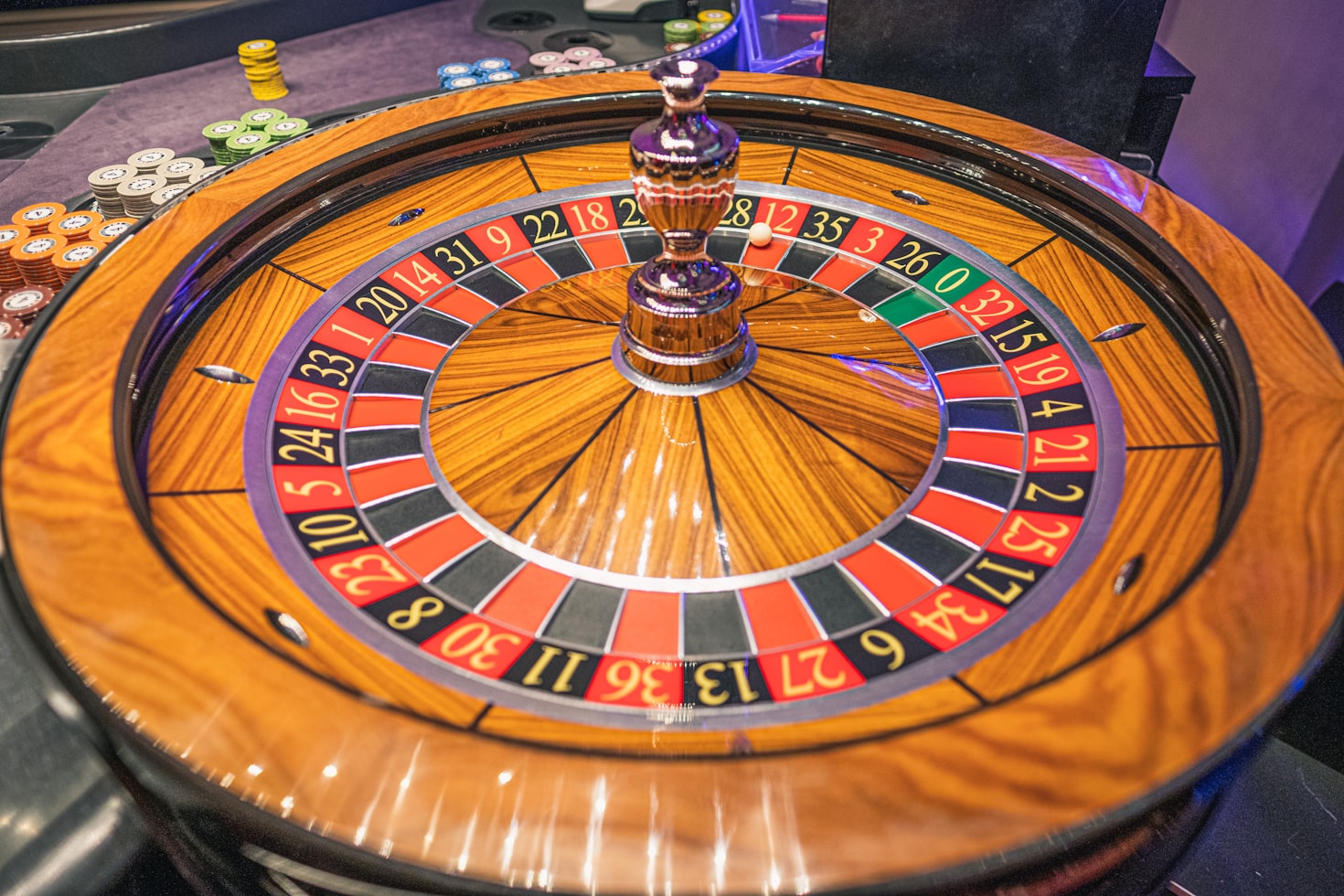
Cognitive biases significantly influence gambling behavior. One common bias is the “gambler’s fallacy,” where individuals believe that past results will influence future outcomes. For example, if a roulette wheel has landed on red multiple times, players may assume that black is “due” to come up next. This misconception leads to a pattern of irrational betting decisions, as players chase perceived trends that do not exist.
Additionally, the “availability heuristic” plays a crucial role in gambling. This bias causes individuals to overestimate the likelihood of winning based on memorable experiences, such as a friend winning big or a celebrity’s gambling success. These vivid recollections can overshadow the reality of the low probability of winning, further entrenching individuals in their gambling habits.
Emotional Drivers Behind Gambling
Emotions are powerful motivators in gambling. Many individuals gamble to escape from stress or negative feelings, seeking solace in the temporary thrill that games provide. This emotional regulation can create a cycle of gambling where the individual returns repeatedly to the casino in search of relief. However, this cycle can lead to problematic gambling behaviors, where the pursuit of that initial thrill overshadows the potential consequences.
Furthermore, the social aspect of gambling cannot be overlooked. Casinos often serve as social hubs, where individuals connect with others and share experiences. This sense of community can enhance the enjoyment of gambling, making individuals more likely to engage in risk-taking behavior. As they interact with fellow gamblers, the emotional highs and lows become communal, reinforcing their decision to continue playing.
The Impact of Environmental Factors
The casino environment is meticulously designed to encourage risk-taking. From the layout of the gaming floor to the selection of games, every element plays a role in enticing players to gamble. Bright colors and sounds create an immersive experience, making it easy to lose track of time and money. This carefully crafted environment often leads individuals to make impulsive decisions, pushing them deeper into gambling.
Additionally, casinos employ various strategies to maximize player engagement, such as complimentary drinks and loyalty programs. These incentives can blur the line between entertainment and risk, encouraging players to gamble more than they initially intended. The combination of environmental factors and psychological triggers creates a potent mix that keeps players returning for more.
Understanding the Website
While exploring the psychology behind gambling, it is essential to consider resources that provide in-depth insights into these topics. Engaging content related to gambling, psychology, and behavior can help individuals better understand their motivations and choices. Knowledge is a powerful tool, and utilizing informative websites can guide individuals toward responsible gambling practices.
As you navigate these insights, be sure to return for updates and engaging content that fosters a deeper understanding of human behavior in relation to risk and gambling. Whether you’re a casual player or someone who seeks to understand the complexities of gambling, there’s always more to learn about this fascinating intersection of psychology and chance.